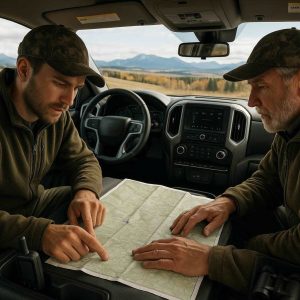
Understanding Ethical Decisions While Hunting in Alberta
Hunting in Alberta can be an experience but it comes with a set of ethical responsibilities that can make a big difference in the outcome of your trip. Imagine this situation: after waiting you see your target but your guide says, "Not this one." What you do next is important-not for your safety but also for the animal and the success of your trip.
Setting Clear Limits Before You Start
Before you begin your hunt it is important to set the rules for what's an acceptable shot. Talk with your guide about passing on some chances. Things like visibility, blocked areas, long distances or the animals actions should be considered. Be honest about your abilities-if you are not comfortable with shots or have little experience in certain places say so. This honesty helps your guide make decisions based on set standards.
Also talk about what to do if you hit an animal. Know how to report an injury, when to stay still and who will start tracking. This can prevent confusion when those important moments happen.
Knowing the Difference Between Legal and Ethical Choices
In Alberta there are rules about when, where and what you can hunt.. Just because something is allowed doesn't mean it is right. It is important to tell the difference between what's legal and what is ethical. The first asks if something is allowed the second asks if the conditions make an recoverable shot likely. An animal that is half hidden by bushes might be legal to hunt but not ethical to shoot.
Before you go out check the rules that can change depending on the area, species and time of year. Make sure you have the permits and understand any rules about where you can go. Keep checking these rules what was true last year may not be true now.
Taking a Moment to Think
When you see an animal the excitement can make you act quickly. However unless the situation is unsafe or the animal is moving take a moment to think.
Ask yourself questions: Can I clearly tell what animal it is? Am I sure it is allowed to hunt? From where I'm can I take a good shot? What would we do if we needed to track it?
If you are not sure talk about your doubts. Asking questions like "Should I wait?" gives your guide a chance to look at the situation from angles, including the wind and cover. Even though your guide may know more about the area the decision to take the shot is yours.
Talking with Your Guide
Make you and your guide agree on simple words for important commands like "hold" or "wait." Also know what to do if you can't talk. During times keep control of your gun or bow while you get clarity. Don't let your guide's authority override your judgment. They may know more about animals and the land. You know your skills and limits best.
If you feel pushed to take a shot that doesn't fit your rules speak up. After the moment it is helpful to talk with your guide about their reasons. This can show you things you might not have thought about like hidden obstacles or rules you didn't know about.
Getting Ready for Surprises
A good hunt is more than having the right gear. It depends on making choices. Check all your equipment to make sure it works and fits what you need for the weather and land you will face. Practice in situations-on rough ground or in bad weather-so you can handle anything.
Think about problems that might change your plans. What if the place you wanted to go is not open? What options are allowed with your license? Being flexible is important. Never break the rules or disrespect the land.
Make a short list to check before your trip:
– Make sure your licenses, seasons and rules are up to date
– Check that you have the right to be in the area you plan to hunt
– Make sure you and your guide agree on the no-shot rules
– Set up ways to communicate if you need to track an animal
– Check your gear and clothes and make sure you have navigation and emergency supplies
– Plan for changes in the weather or rules
Being Part of Conservation
hunting is more than just shooting. It includes not hurting the environment respecting animals taking care of the meat and leaving the land as it is. A guide might suggest not taking a shot if it could damage an area or disturb other animals something you might not see from your spot.
Stay up to date with the rules about animals before and during your trip. Always ask if you are not sure of using old information. Sometimes the best choice in the moment is to let the chance go keeping your gear safe and everyone clear on why you decided not to take the shot. This kind of self-control builds respect, between hunter and guide. Keeps future chances based on good choices.